Cosmetic OEM/ODM Manufacturing Guide for New Brands (2026)
This guide explains how cosmetic OEM/ODM manufacturing works in practice, based on wwoem's production process at our Guangzhou facility. It is written for brand owners who are evaluating a cosmetic contract manufacturer for the first time. For a deeper look at choosing a factory, see our checklist for choosing a manufacturer in China.
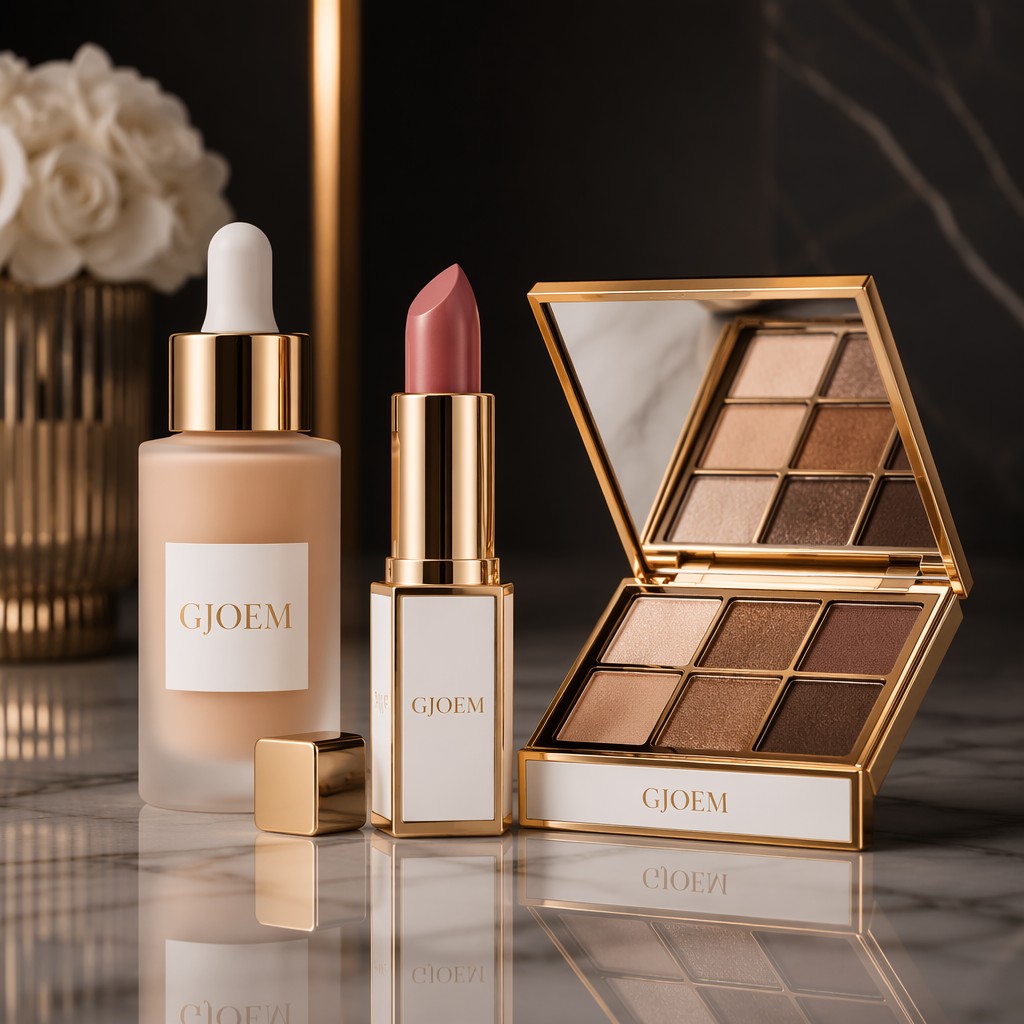
1. What OEM and ODM mean in cosmetics
OEM (Original Equipment Manufacturing) means the manufacturer produces a product using an existing formula and your branding. ODM (Original Design Manufacturing) means the manufacturer develops a new formula and packaging for your brand.
Most cosmetic factories in Guangzhou offer both. The choice depends on whether your brand needs an existing proven formula (faster, lower cost) or a fully custom formula (longer development, higher differentiation). Our OEM vs ODM guide breaks this down with a side-by-side comparison.
2. Typical product development process
- Send an inquiry with product type, target market, and estimated quantity.
- Confirm formulation direction and packaging options with the factory.
- Factory develops samples (formulation + packaging + labeling). Sampling for fully custom products at wwoem requires a development fee of RMB 1,000, which is credited against the bulk order.
- Sample review and revision. If the sample is not satisfactory, further sampling is available.
- Bulk production after sample approval.
- Quality inspection and shipment.
Clarify each step's lead time in writing. A transparent factory will give you a timeline you can plan inventory and launch against.
3. MOQ (minimum order quantity) expectations in 2026
MOQs vary by product category and customization level. As a general 2026 reference from wwoem's Guangzhou facility:
- Fully customized skincare: from 3,000 units.
- Fully customized perfume: from 5,000 units.
- Fully customized color cosmetics: from 5,000 units.
- Color cosmetics with fully custom packaging: from 12,000 units.
- Stock (existing) products: minimum one carton; carton quantity varies by product.
These figures are for full production runs. Sample quantities are much smaller and are agreed during the sampling stage. See our MOQ and pricing budget guide to model your first order.
4. Cost factors
Unit price depends on formula cost, packaging materials, filling complexity, and order volume. The main cost components are:
- Raw materials and active ingredients.
- Primary packaging (bottle, cap, pump, label).
- Secondary packaging (carton, instruction insert).
- Filling and assembly labor.
- Quality control and compliance documentation.
Custom packaging is usually the largest variable. Standardizing a bottle across SKUs can materially lower unit cost at scale.
5. Certifications and compliance
A compliant factory should hold relevant certifications and follow cosmetic GMP. wwoem's facility holds ISO 22716 (Cosmetics GMP), GMPC, and FDA registration. Export documentation such as MSDS, COA, and health certificates are provided as required by the destination market.
Remember that compliance is market-specific: the EU, US, ASEAN, and Middle East each have different rules for ingredients, labeling, and claims. Confirm your target market's requirements before formula lock.
6. Payment terms commonly used in the industry
A common arrangement is 50% deposit to start production and 50% balance before shipment. Goods ship only after the balance is settled. Confirm the exact terms with your manufacturer in writing before production, including Incoterms and which export documents are included.
7. Common mistakes new brands make
- Skipping the sampling and revision stage to save time — this is where most quality problems surface.
- Choosing the lowest quote without verifying certifications and references.
- Underestimating packaging lead time, which often exceeds formulation lead time.
- Launching in a market before confirming regulatory compatibility.
- Failing to secure IP terms (exclusive formula use or buy-out) in the ODM contract.
8. Summary
For a new beauty brand in 2026, the practical path is: clarify product type and MOQ, review the factory's certifications and process, develop and approve samples, then proceed to bulk production. Ask for a written quotation and production timeline before committing. Browse the Products page for categories wwoem manufactures, or reach our team via Contact Us for a catalog and sample plan.
Request a catalog, quotation, or samples
Contact: SIGE
Email: 27005046@qq.com
WhatsApp / WeChat: +86 15622220825
Website: wwoem.com | Main site: www.8OEM.com
Frequently asked questions
How much does it cost to launch a private label cosmetics line?
The cost is driven by three things: the MOQ of each SKU, the component you choose, and the artwork and regulatory work. Because MOQ varies by product, the practical approach is to start with one or two hero SKUs at a low MOQ and reinvest revenue into the range.
Do I need my own formula to start a cosmetics brand?
No. You can select a formula the factory already produces and private-label it under your brand, which avoids development cost and time. A custom formula makes sense once you have a clear differentiation you cannot get from a stock base.
What is the difference between OEM and ODM for a new brand?
With ODM you choose from formulas the factory has already developed and apply your brand. With OEM the factory manufactures to your own formula and specification. ODM is the faster and cheaper route for a first launch.
How long does it take from idea to first shipment?
The sequence is brief, sampling, sample approval, bulk production and shipping. The sampling and approval stage is where most schedules slip, so approve the sample before booking any launch date.
Can I start with a small batch before scaling up?
Yes, and it is the recommended approach. Selected stock formulas are available from 100 pcs, so you can validate the market and the packaging before committing to a container volume.